Poison Oak Removal in Burlington County, NJ
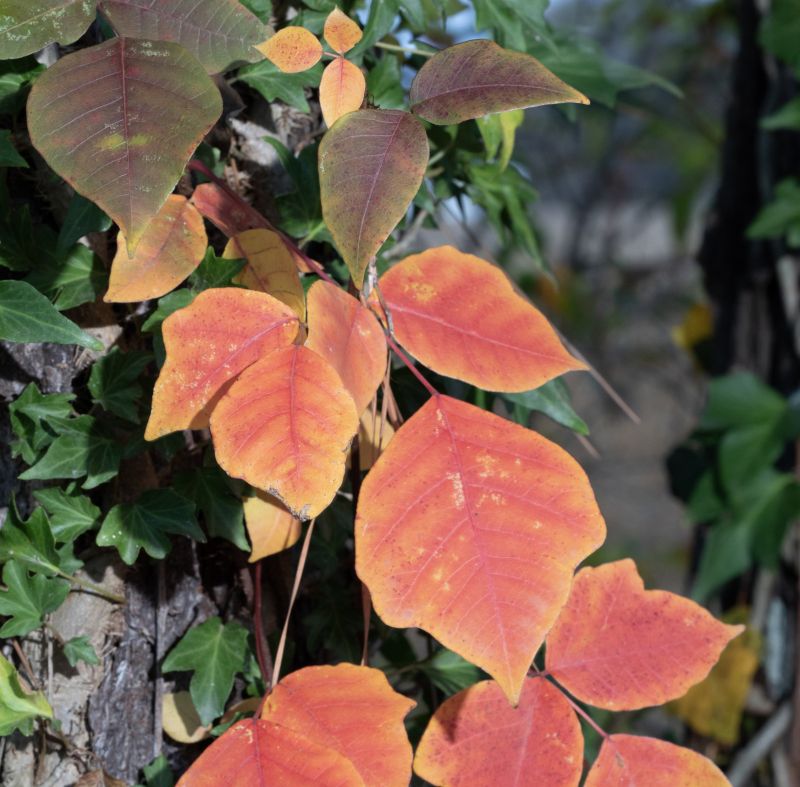
Poison oak removal services focus on safely eliminating this hazardous plant from residential properties. These services typically cover projects such as clearing overgrown areas, trimming shrubs, and removing poison oak from lawns, gardens, and wooded sections of a property. Property owners often seek this service to reduce health risks associated with contact, especially in outdoor spaces used for recreation or gardening, ensuring a safer environment for family members, pets, and visitors.
Before requesting poison oak removal, property owners should consider the extent of the growth and the locations where the plant is present. It is helpful to identify whether the poison oak is in hard-to-reach areas or mixed with other vegetation. Understanding the size of the affected area and any specific access challenges can assist in planning the most effective removal approach. Proper identification of poison oak is also important to prevent accidental contact with similar-looking plants.
Many property owners in Burlington County, NJ look into Poison Oak Removal for repairs, replacements, upgrades, and appearance-related improvements.
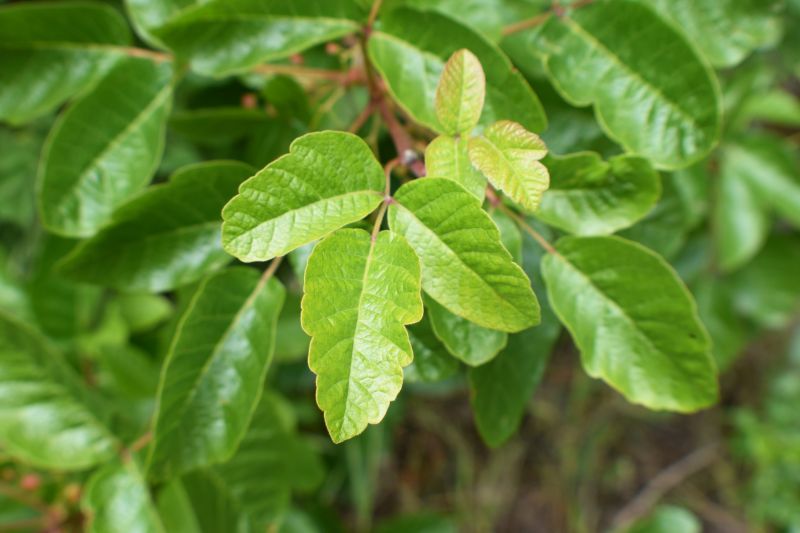
Poison Oak Identification
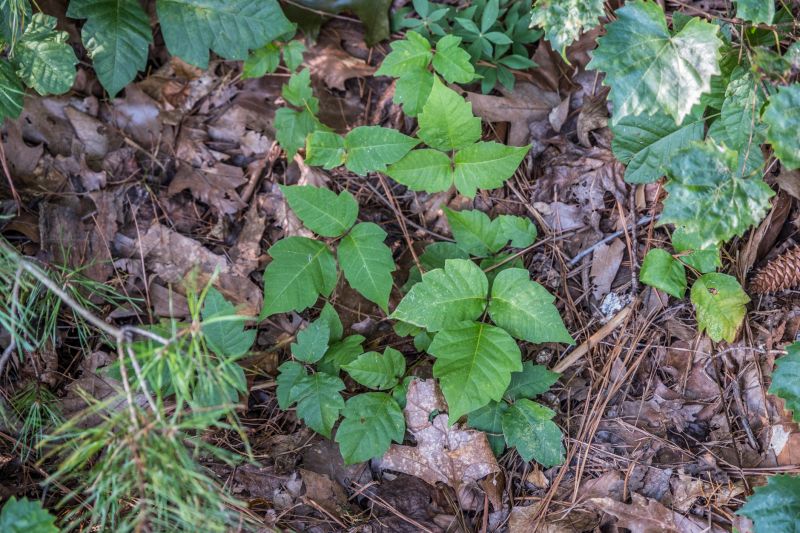
Recognizing poison oak is essential for safe removal around residential and commercial properties in burlington county.
Hazard Prevention
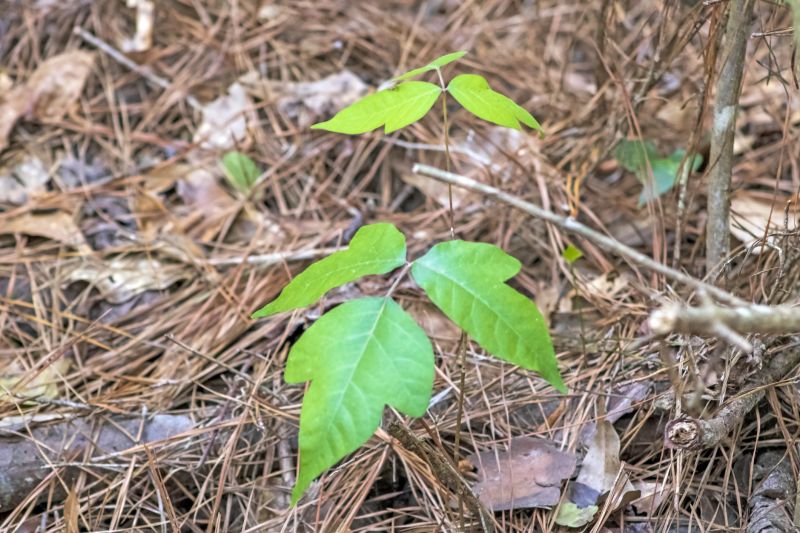
Removing poison oak helps prevent skin irritation and allergic reactions for residents and visitors on your property.
Property Maintenance
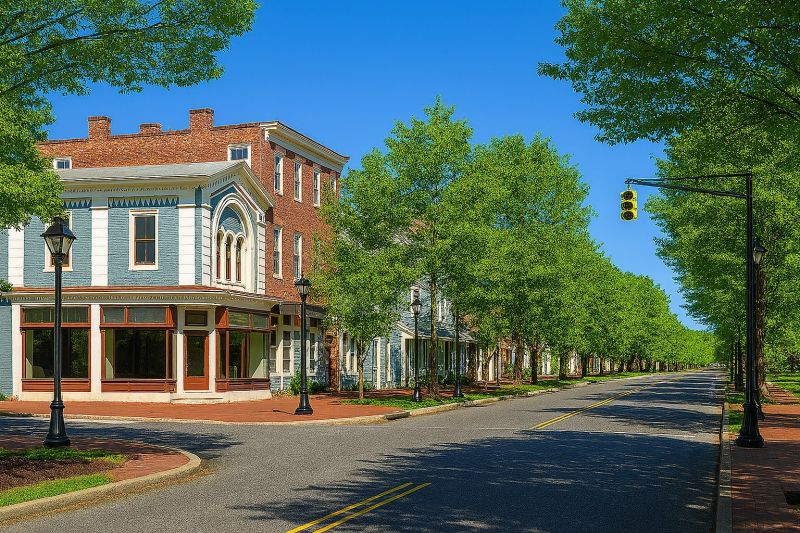
Proper removal of poison oak contributes to a cleaner, safer outdoor environment in neighborhoods throughout burlington county.
Poison Oak Removal in Burlington County, NJ
Poison oak removal services focus on safely eliminating this hazardous plant from residential properties. These services typically cover projects such as clearing overgrown areas, trimming shrubs, and removing poison oak from lawns, gardens, and wooded sections of a property. Property owners often seek this service to reduce health risks associated with contact, especially in outdoor spaces used for recreation or gardening, ensuring a safer environment for family members, pets, and visitors.
Before requesting poison oak removal, property owners should consider the extent of the growth and the locations where the plant is present. It is helpful to identify whether the poison oak is in hard-to-reach areas or mixed with other vegetation. Understanding the size of the affected area and any specific access challenges can assist in planning the most effective removal approach. Proper identification of poison oak is also important to prevent accidental contact with similar-looking plants.
Many property owners in Burlington County, NJ look into Poison Oak Removal for repairs, replacements, upgrades, and appearance-related improvements.
Common Poison Oak Removal Jobs
Poison Oak Removal - safely eliminates poison oak from yards and landscaping areas.
Yard Clearing - removes poison oak shrubs to create safer outdoor spaces.
Vegetation Control - targets and removes poison oak to prevent spread on properties.
Landscape Maintenance - includes poison oak removal to protect garden and lawn health.
Brush and Thicket Clearing - clears dense poison oak growth from overgrown areas.
Property Preservation - reduces poison oak hazards to maintain safe outdoor environments.
Poison Oak Removal Questions
What is poison oak removal? Poison oak removal involves safely eliminating the plant to prevent skin irritation and protect property health.
Why remove poison oak from a property? Removing poison oak reduces the risk of allergic reactions and keeps outdoor spaces safe for residents and visitors.
What areas typically require poison oak removal? Common areas include yards, parks, trailways, and any outdoor space where the plant has grown.
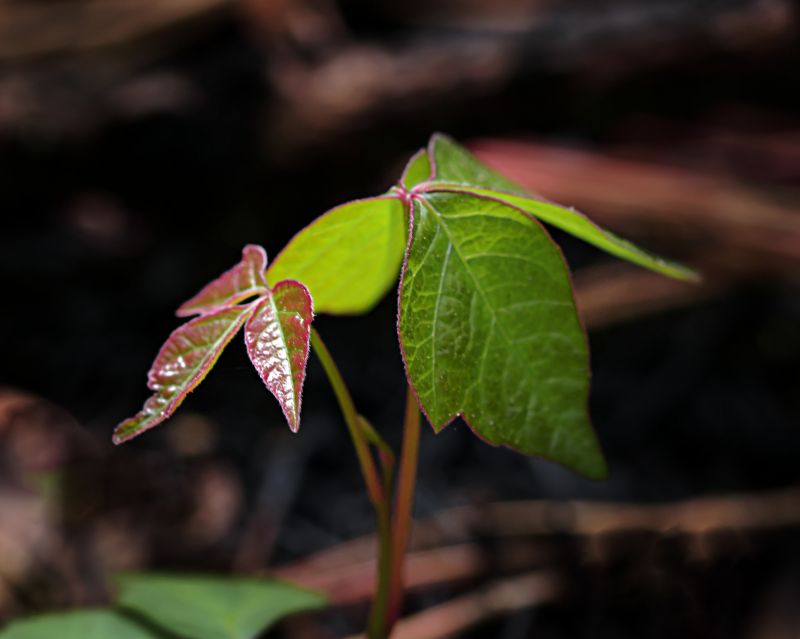
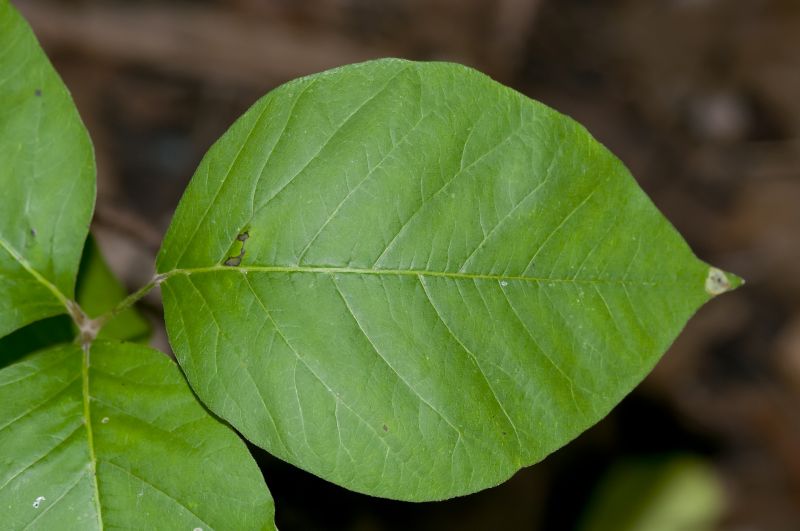
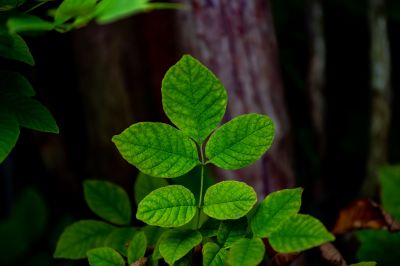
How can poison oak be identified? Poison oak has clusters of leaves that resemble oak trees, often with a reddish hue and a hairy texture on stems and leaves.
Request Poison Oak Removal in Burlington County, NJ
Use the quote form on this page to share the basics of your project and request more information for the type of work you need.